The Comprehensive Guide To Latte Machines
The Ultimate Guide to Cappuccino Machines: Brewing the Perfect Cup
Cappuccinos are a precious coffee drink that integrates the rich tastes of espresso with steamed milk and milk foam. For lots of, absolutely nothing tastes better than a homemade cappuccino crafted with accuracy. Nevertheless, reproducing the skill of a barista at home requires the ideal devices. This is where cappuccino machines come into play. This post delves into the numerous types of cappuccino machines, how they work, and ideas for picking the best one for your requirements.
What is a Cappuccino Machine?
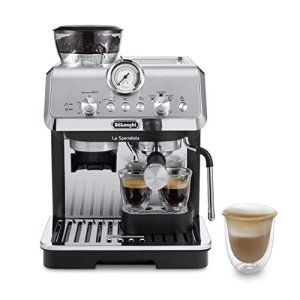
A cappuccino machine is a customized developing device designed to make cappuccinos and other espresso-based drinks. These machines generally include a built-in espresso maker, a milk frother, and numerous controls for adjusting temperature and pressure. Cappuccino machines can be manual, semi-automatic, or fully automatic, offering different levels of user control depending on the intricacy of the machine.
Kinds Of Cappuccino Machines
1. Manual Espresso Machines
- Description: These machines require users to operate most functions manually, including grinding coffee beans, tamping the grounds, pulling the espresso shot, and frothing the milk.
- Pros:
- Offers total control over the developing procedure.
- Can produce high-quality, café-like espresso.
- Cons:
- Steeper learning curve.
- Requires more time and effort.
2. Semi-Automatic Espresso Machines
- Description: Semi-automatic machines automate some processes, such as water pressure. Users still require to grind coffee and froth milk manually.
- Pros:
- Balanced control and benefit.
- Allows space for experimentation.
- Cons:
- Still needs useful skills.
- Can be complicated for novices.
3. Totally Automatic Espresso Machines
- Description: These machines automate the whole developing process, from grinding to frothing. read the full info here pick the desired drink.
- Pros:
- Extremely convenient and simple to use.
- Constant outcomes with little effort.
- Cons:
- More expensive.
- Limited control over the brewing procedure.
4. Super Automatic Espresso Machines
- Description: Similar to totally automatic machines, however these designs include functions like an integrated milk frother and grinder. They prepare beverages with just the touch of a button.
- Pros:
- Ultimate convenience; makes different drinks quickly.
- Built-in cleaning and upkeep features.
- Cons:
- High preliminary cost.
- Less hands-on experience with coffee making.
Key Features to Consider
When picking a cappuccino machine, numerous functions can significantly influence efficiency and user experience. Here are some necessary aspects to assess:
1. Build Quality
- Materials used (stainless-steel, plastic)
- Durability and longevity
2. Capacity
- Water reservoir size
- Bean hopper capacity
3. Frothing Capability
- Kind of frothing wand (manual, automatic)
- Steam pressure and temperature level control
4. Reduce of Use
- Instinctive controls
- Cleaning up and upkeep requirements
5. Rate
- Variety from budget to high-end models
- Think about guarantees and client assistance options
6. Brand name Reputation
- User reviews and professional opinions
- Availability of replacement parts
The Brewing Process
To brew the ideal cappuccino in your home, follow this procedure, no matter the machine type:
- Prepare the Espresso: Use newly ground coffee beans and pull a double shot (around 2 ounces) of espresso.
- Froth the Milk: Steam fresh milk to a temperature about 150 ° F( 65 ° C)using the steam wand or automatic frother.
- Combine: Pour the steamed milk over the espresso, followed by a layer of milk foam (equal parts espresso and steamed milk, with about 1 cm of foam).
For a graph, here's a simple table comparing the attributes of the cappuccino machine types:
Machine Type
Control Level
Relieve of Use
Cost Range
Suitable For
Manual Espresso Machine
High
Tough
Low to Medium
Coffee enthusiasts, perfectionists
Semi-Automatic Machine
Medium
Moderate
Medium
Home baristas, enthusiasts
Fully Automatic Machine
Low
Easy
Medium to High
Casual drinkers
Super Automatic Machine
Really Low
Very Easy
High
Busy specialists
Often Asked Questions (FAQs)
What is the best milk to use for cappuccinos?
Entire milk is frequently preferred for frothing due to its fat material, which produces a creamy texture. However, options like almond milk, oat milk, or soy milk can be used, though they may need different frothing techniques.
How do I tidy my cappuccino machine?
Most machines feature particular cleansing guidelines. Usually, you need to frequently clean up the group head, steam wand, and drip tray. For automatic machines, numerous models include self-cleaning cycles.
Can I use pre-ground coffee instead of whole beans?
Yes, you can use pre-ground coffee. However, freshly ground coffee typically produces a more flavorful espresso due to the oils in the beans being preserved.
How much should I invest in a cappuccino machine?
The cost varies substantially based upon functions, brand, and quality. A standard, great quality machine may begin around ₤ 200, while high-end incredibly automatic machines can exceed ₤ 2,000.
How frequently should I replace my cappuccino machine?
With correct maintenance, a high-quality cappuccino machine can last for many years. Nevertheless, you may think about updating if you find your machine no longer satisfies your brewing needs or experiences performance problems.
Cappuccino machines are effective allies in delivering the perfect brew at home. Whether you prefer manual interaction with your coffee or prefer the convenience of completely automated machines, comprehending the various types and their functions will assist you in making the best option. By purchasing the perfect machine for your needs and using the right methods, anybody can delight in a barista-quality cappuccino from the comfort of their own kitchen. With a little perseverance and imagination, the art of cappuccino developing can end up being a wonderful ritual, developing not just coffee but minutes of joy.